
01 Two buyers, two outcomes
Two people bought, or nearly bought, homes built by owner-builders. Their outcomes could not have been more different, and the difference was not luck.
The first engaged Site Inspections before settlement. We inspected, we reported, and she did not proceed. The second bought a home some years after it was built, and is now living above two leaking bathrooms with water reaching the floor below.
Same law. Same paperwork. One of them got her own eyes on the building first.
This article is about what you are handed when you buy an owner-builder home, and what each of those documents is actually worth.
02 The report that found nothing
When an owner-builder sells within the statutory period, the contract of sale must carry a report on the building prepared by a prescribed building practitioner. It is commonly called a section 137B report, after the section of the Building Act that requires it.
On one property we inspected before purchase, that report had been obtained and provided with the contract. It recorded no defects. Not one.
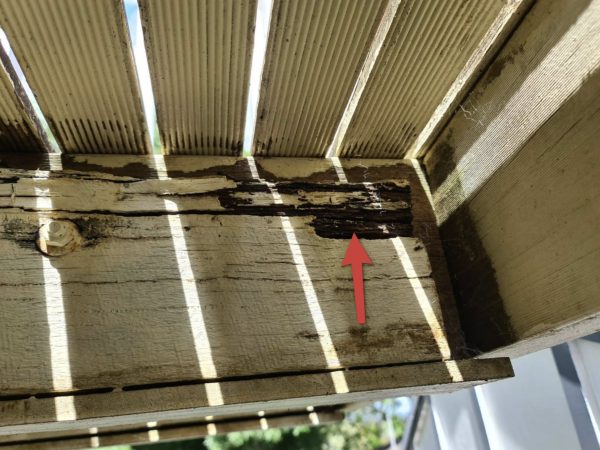
Our own inspection of the same property found, among other things, non-structural timber used in the roof, no water stops to any of the waterproofing, defective cladding and defective roof plumbing.
The purchaser did not proceed with the sale. Site Inspections referred the report to the Building and Plumbing Commission. That investigation is open, and no findings have been made against any person.
We put our findings to the practitioner and the firm in writing before publishing anything, and offered them an opportunity to comment. Their position was that a section 137B report is prepared for a specific statutory purpose, and that its scope, methodology and reporting obligations differ from those of a pre-purchase or building and pest inspection. They also said they could not comment substantively without a complete copy of our report, which we did not provide.
They are right that the scopes differ, and that is worth understanding rather than brushing past. A section 137B report is a statutory report on defects in the owner-builder's building work. It is not a general condition assessment of a house.
Which is exactly why the regulator publishes a template.
03 What the report is required to cover
The Act does not set out the contents itself. It requires a report from a prescribed building practitioner "that contains the matters that are required by the Minister by notice published in the Government Gazette".
The Building and Plumbing Commission publishes the report template. It requires a list of defects in the building, and states that the list is to include, but is not restricted to, the condition of the following elements.
It also requires the practitioner to record any areas that were inaccessible at the time of inspection, the condition and status of incomplete works, and to attach the building permit and the occupancy permit or certificate of final inspection.
Set the four findings against that list.
The scope argument is a complete answer to a comparison with a general building and pest report. It is not an answer to these four, because every one of them falls within an element the regulator's own template names. In our opinion that report was deficient, and that is why we referred it. The Commission will form its own view, and it has not yet done so.
04 Whose report is it?
Here is the part that is structural rather than personal, and it applies to every owner-builder sale in the state.
The vendor obtains the report. The vendor chooses the practitioner. The vendor pays for it.
None of that is improper. It is what the section requires: the seller must obtain a report and give it to the purchaser. But a buyer who reads it as independent assurance has misunderstood whose report it is, and who commissioned it.
The report must be no more than six months old when the contract is signed, and a copy must be given to the intending purchaser. If those requirements are not met, the contract is voidable at the purchaser's option at any time before completion.
05 The occupancy permit does not mean the house complies
Most buyers treat the occupancy permit as proof the house was built properly. The Act says otherwise, in two sentences that almost nobody has read.
"46 Effect of occupancy permit. (1) An occupancy permit under this Division is evidence that the building or part of a building to which it applies is suitable for occupation. (2) An occupancy permit under this Division is not evidence that the building or part of a building to which it applies complies with this Act or the building regulations."
An occupancy permit under this Division is not evidence that the building or part of a building to which it applies complies with this Act or the building regulations.
The permit says the house can be lived in. It does not say it was built to the Act. Those are different questions, and only one of them is answered by the document in your contract.
06 The four reasons the warranty can pay you nothing
Owner-builder warranty insurance is the other document in the pack. It is worth understanding what it does before you need it.
Reason four surprises people most. If the builder is contactable and paying his bills, the insurance does not respond. The route is the tribunal first, then an order, then non-compliance with it.
Reason three is the one to read twice, and it cuts both ways.
07 The clock starts at completion, and selling does not reset it
-
CompletionDay zeroThe date on the occupancy permitEvery clock starts here. Not when you buy, and not when you move in.
-
2 yearsCover endsNon-structural cover endsAnd if the first sale happened after this point, there was never any non-structural cover at all.
-
6 yearsCover endsStructural cover endsThe outer limit of the insurance on the older policies.
-
6.5 yearsSelling windowThe window in which an owner-builder selling must obtain the report and coverThe Commission states the requirement applies where the project was completed less than six and a half years ago and the value was over $20,000.
-
10 yearsLiability endsA building action can no longer be broughtFour years after the insurance has gone, the builder can still be pursued. This is the part most people are never told.
A later purchaser inherits the policy as a successor in title, and inherits what is left of it. Buy a house in its fifth year and you may have months of cover, not years, and nothing about the sale restarts it.
I know when the owner-builder first sold the house
08 What you can still do, and it is more than most people are told
This is the part that is usually missing, and it matters more than any of the above.
Six years is the insurance period. It is not the liability period.
"a building action cannot be brought more than 10 years after the date of issue of the occupancy permit in respect of the building work"
And you have standing even if you were not the original buyer.
Any person who is a successor in title to the purchaser may take proceedings for a breach of the warranties listed in subsection (1) as if that person were a party to the contract.
The warranties are that the work was carried out in a proper and workmanlike manner, that the materials were good, suitable and new, and that the work complied with all laws including the Act and the regulations. They are given by the vendor for work carried out "by or on behalf of" them, which means an owner-builder warrants the work of every trade they engaged. A certificate from a tiler or a plumber does not move that warranty.
The Commission states that an owner-builder "may be directed to return and fix the work or pay for the work to be rectified if significant defects or non-compliances are identified after the property is sold by the owner builder for a period of 10 years after completion of the work", and that it can issue a rectification order requiring them to do so at their own cost.
"A purchaser who finds defective or non-compliant domestic building work not identified in the required Defects Inspection Report is entitled to take legal action against the owner-builder for breach of statutory warranties."
So the report cuts both ways. What is in it is excluded from the insurance. What is not in it is precisely what you can act on. Which is the strongest practical argument there is for getting your own inspection: everything your inspector finds that the vendor's report missed is the part that remains available to you.
None of this is legal advice, and the ten year period is a long stop rather than a guarantee that any particular claim is in time. Whether a claim runs depends on more than the date. If you are in this position, get advice from a lawyer.
09 What we see, again and again
Across thousands of inspections, the same failures turn up in the same places, and the same things get done to hide them before an open for inspection.
Start with the heaters. We have walked into houses on mild days with the heating running in every room and the windows shut. Sometimes that is someone who feels the cold. Often it is someone drying the place out before people come through. If you walk into an open and the heating is on when it does not need to be, that is a question worth asking, not a comfort.
Showers that were never waterproofed correctly are the most common serious defect we find. Not showers that have worn out. Showers that were wrong the day they were built, and have been leaking quietly ever since.
A leak that has been painted over is still a leak. Fresh paint on one section of a ceiling, a patched cornice, a single repainted wall in an otherwise untouched room. Something put the mark there, and paint does not fix what caused it.
A wet area on a first floor does not show itself in the bathroom. It shows on the ceiling below, sometimes a room away, often months later. Look down, not around.
Look at what water does to timber, not for water itself. Door jambs and architraves embedded into a tiled wet area floor will wick, then swell, then push their joints apart. By the time the paint splits, the frame behind it has been wet for a long time.
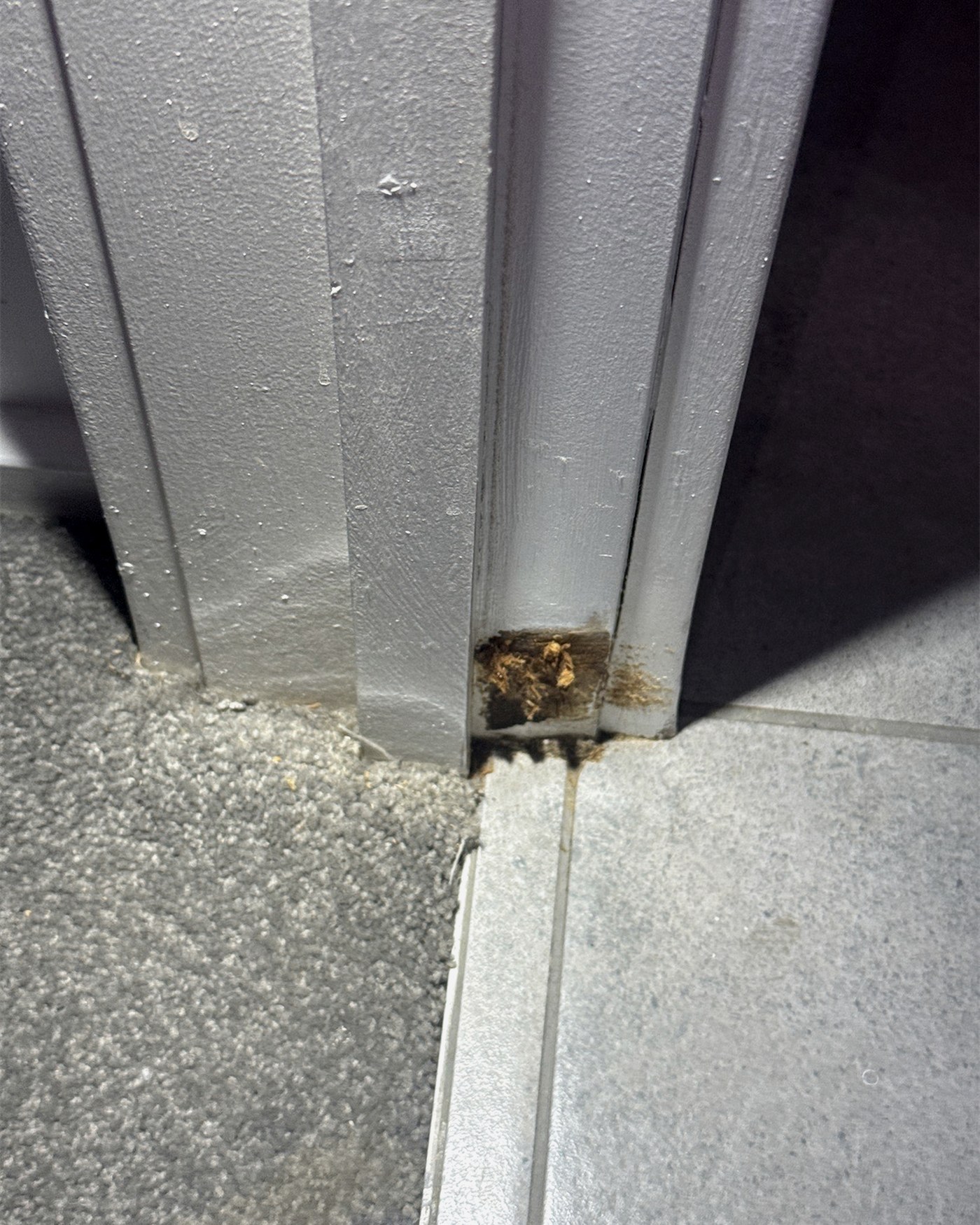
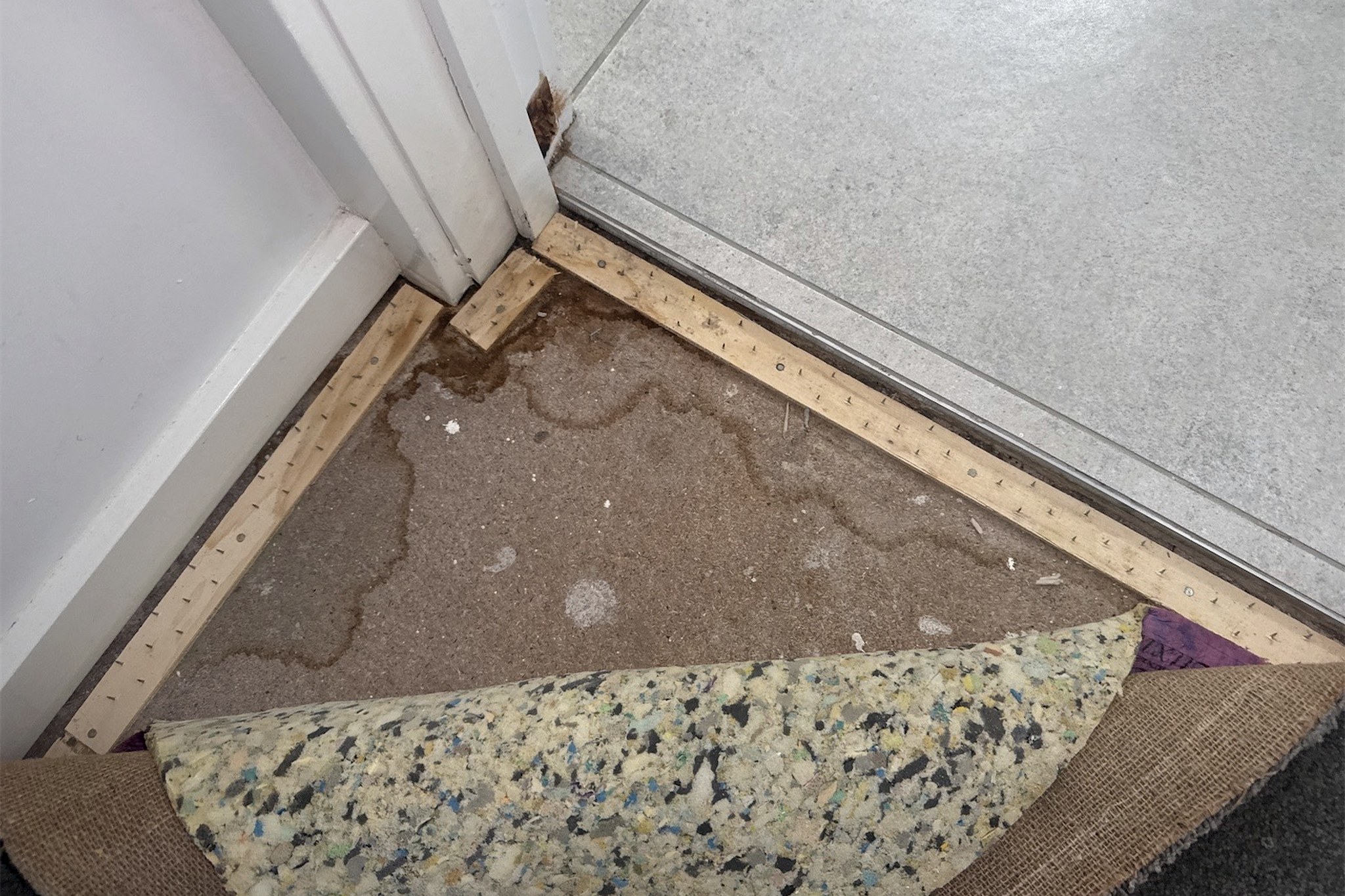
Lift a corner of the carpet on the level below a bathroom. Mould along the skirting line and under the underlay tells you more than any wall surface will.
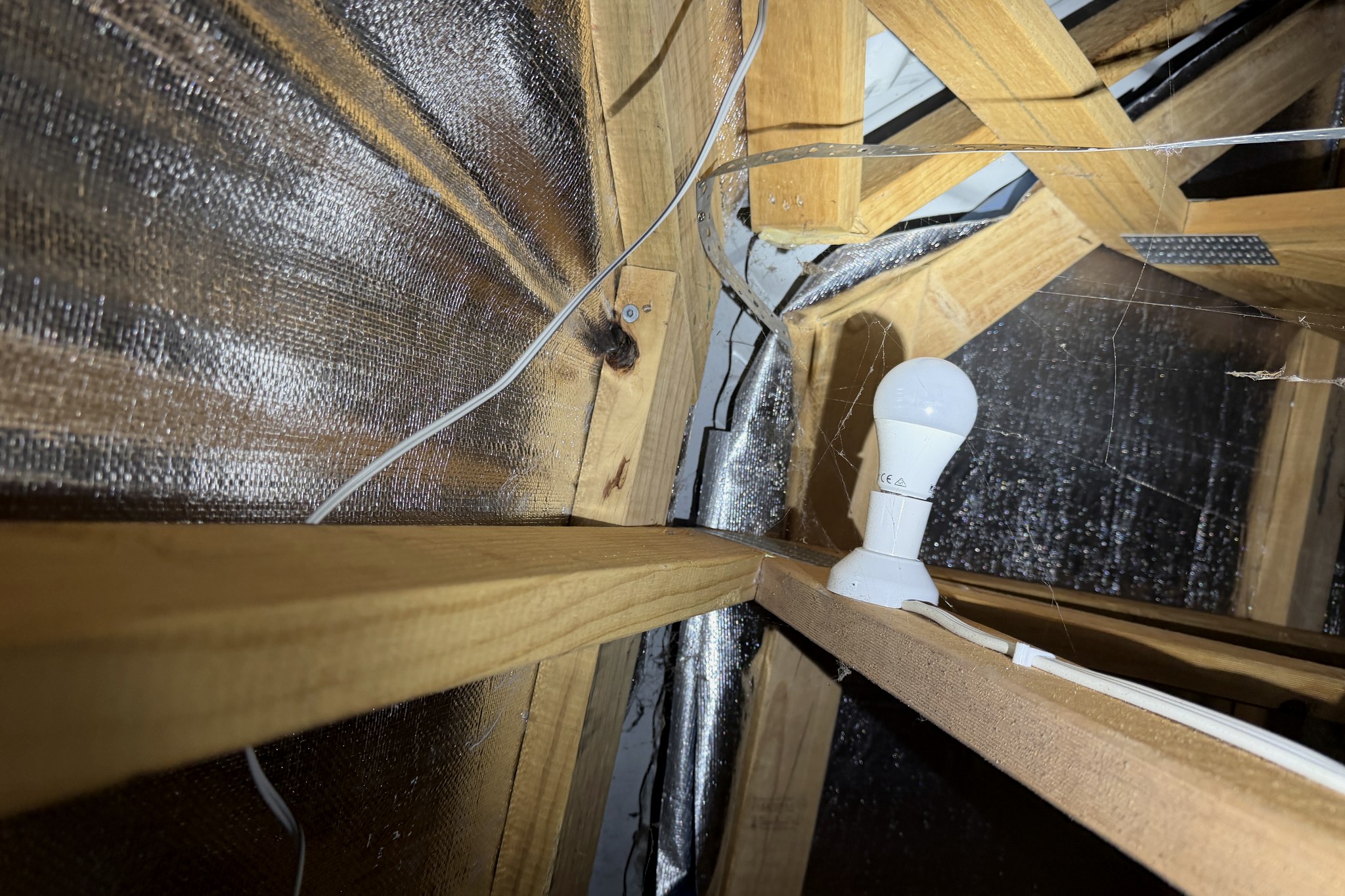
Get into the roof if you can. Timber grade, tie-downs and unfinished flashings are not visible from the ground, and they are not visible from the hallway.
None of this announces itself on a Saturday morning walk-through, and none of it is what a buyer is looking at when they are deciding whether the kitchen is big enough.
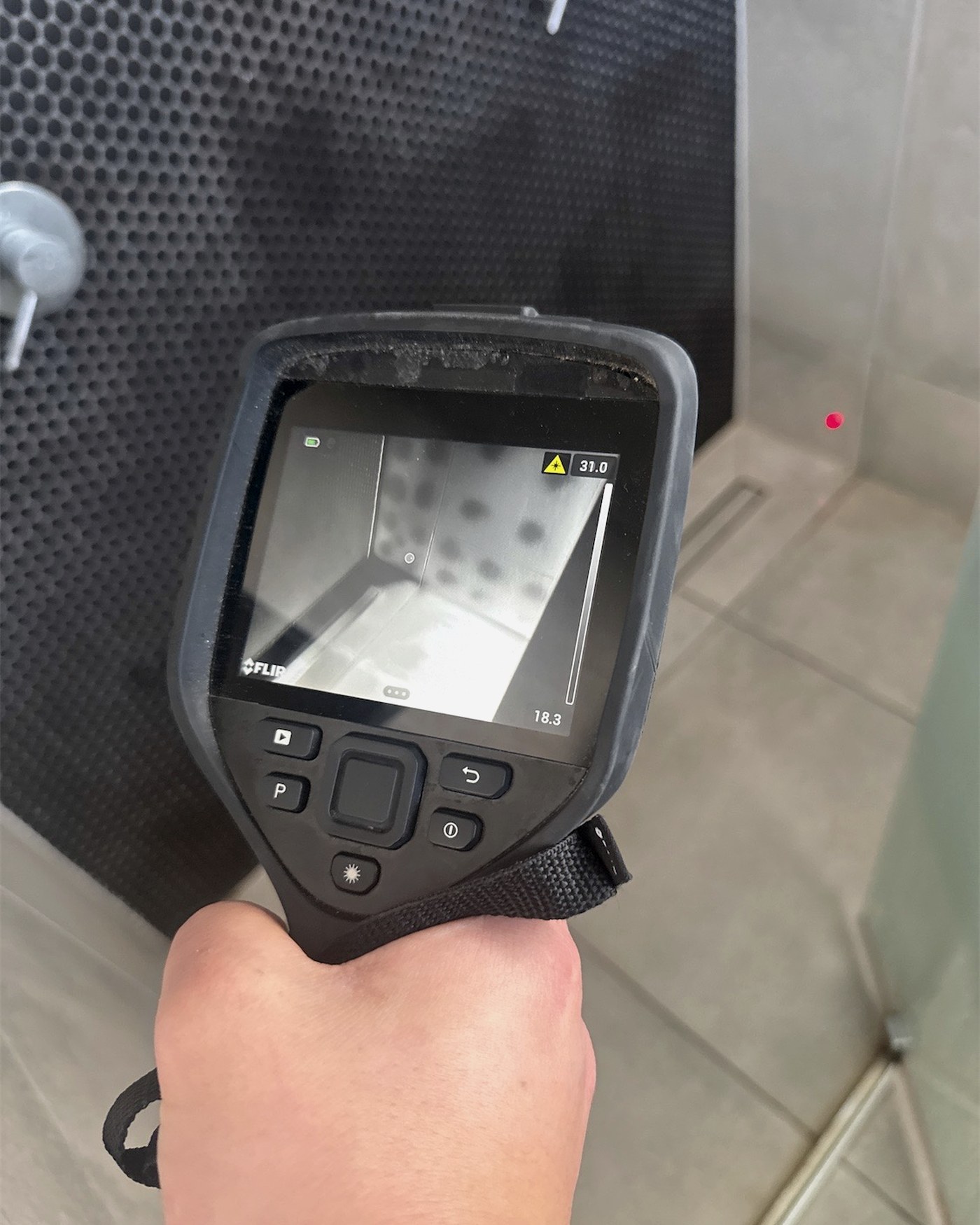
- Moisture readings, and thermal imaging where it is warranted, rather than a visual walk-through
- Every wet area, and the ceilings below every wet area
- The roof space and the subfloor where access exists, and a written note where it does not
- The permits and certificates read against what is actually built, not accepted at face value
Ask what an inspector will do before you engage them, and ask to see a sample report.
10 What changed on 1 July 2026
Every one of the four reasons above was addressed by the scheme that began on 1 July 2026. None of it is retrospective.
Under the older policies, which still govern most sales.
Under Home Warranty, for contracts signed on or after 1 July 2026.
The new scheme excludes "a person who is required to obtain a certificate of consent" from assistance. That is the owner-builder, not the purchaser. If you buy a home built under an owner-builder permit, you are not the excluded person.
- Ask for the occupancy permit first. It is one page, and it carries the date every clock counts from.
- Read the section 137B report properly, and note what is not in it. Anything listed is excluded from the insurance. Anything missing is what remains available to you.
- Get your own inspection. The vendor's report was obtained by the vendor. Yours is the only one commissioned in your interest.
11 Sources
- Building Act 1993 (Vic), sections 46, 134, 137B and 137C. No. 126 of 1993, Authorised Version No. 149, incorporating amendments as at 30 July 2026
- Building and Plumbing Commission, Owner Builder Domestic Building Report template
- Building and Plumbing Commission, Selling an owner-built home
- Victorian Managed Insurance Authority, Domestic Building Owner Builder Insurance Policy, OBPOL-0717-1, effective 1 July 2017
- Building (Statutory Insurance Scheme) Regulations 2026 (Vic), S.R. No. 42/2026, regulations 5 and 8
- Building Legislation Amendment (Buyer Protections) Act 2025 (Vic), No. 17 of 2025, sections 137I and 137L
Our Blog
YOUR GO-TO RESOURCE HUB
Whether you’re on the hunt or have already settled in, we’ll arm you with the know-how and confidence to keep your home safe and compliant. With our guidance, you can make informed decisions and steer clear of common pitfalls.