

Home Warranty replaced domestic building insurance on 1 July 2026. We read the Act and the Regulations. It is broader than the old scheme in ways nobody is reporting, and it excludes people in ways nobody is reporting either.
01What changed on 1 July 2026
The old scheme had a catch most homeowners never understood until they tried to use it.
For years Victorian homeowners had domestic building insurance, and it only responded if the builder died, disappeared or became insolvent. A builder still trading, still answering the phone, and simply refusing to come back and fix the work was not a claimable event. You could sue. You could not claim. A Victorian Ombudsman investigation later examined how those claims were decided, and found that whether an item counted as a defect or as incomplete work changed the ceiling on what a claim could pay.
Home Warranty replaced that on 1 July 2026, for eligible contracts signed on or after that date. It comes from the Building Legislation Amendment (Buyer Protections) Act 2025, which received Royal Assent on 3 June 2025.
Domestic Building Insurance
- Work valued over $16,000
- Up to $300,000 for homes to three storeys
- Claim only if the builder died, disappeared or became insolvent
- Bought from private insurers
Home Warranty
- Work valued more than $20,000
- $400,000 in total per home
- Also covers incomplete, defective or non-compliant work where the builder is unable or unwilling to fix it
- The Commission is the only provider
The Commission puts it plainly: "Your DBI cover does not transfer to Home Warranty." If your contract was signed before 1 July 2026, you are still on the old scheme, on its old terms.
02Home Warranty can fix the house, not just pay for it
This is the deepest change in the reform, and it has barely been reported.
137M Assistance that may be provided under statutory insurance scheme
(1) Subject to this Part and the regulations, the following assistance may be provided under the statutory insurance scheme—
(a) the rectification of defective or non-compliant domestic building work by or on behalf of the Authority;
(b) the completion of incomplete domestic building work by or on behalf of the Authority;
(c) the payment of compensation.
Read (a) and (b) again. The old scheme wrote cheques. This one can send builders.
For an owner living in a half-finished house that is a different thing entirely. Money is only useful if you can find someone willing to take it and finish the job, and anyone who has tried to get a second builder to inherit another builder's work knows how that conversation goes.
Worth noting what the Act does not say. Across 161 pages it never once uses the words "Home Warranty". It calls it the statutory insurance scheme, sitting in a new Part 9A of the Building Act 1993. Home Warranty is the name the regulator uses publicly.
03Who Home Warranty does not cover
Section 137L is a list of people who get no assistance at all. We could not find it reported anywhere.
Owner-builders get nothing. If you take out an owner-builder permit, this scheme does not assist you. That is a coherent policy choice, since you are your own builder and the scheme insures against builders. It will still surprise people who assumed a state scheme covered every home.
Buying one is a different question. The exclusion attaches to the person who held the permit, not to the house, so a purchaser of an owner-built home is not the excluded person. What decides your position there is what a section 137B owner builder defects report must contain, and what it left out.
Three homes is the line. The exclusion is aimed at commercial-scale work, and if you are building one house nothing here touches you. But a family trust putting up three townhouses, or a small developer doing a few units, sits on the wrong side of a threshold most will never have read.
04Using an unregistered builder voids your cover
The Commission says this in a single sentence, and it deserves a page of its own:
"Home Warranty does not protect homeowners who use an unregistered builder for work that must be done by a registered builder. This can leave you unprotected if something goes wrong."
Hire someone who is not registered and you do not just risk poor work. The insurance does not respond at all. No rectification, no completion, no compensation.
This is why checking the register before you pay anybody is not paperwork. It is the difference between having $400,000 of cover behind you and having none. It takes about thirty seconds on the Commission's own practitioner search, and people who skipped it have lost houses.
05How long you are covered
The $400,000 is an overall cap, not a per-item figure. It has to stretch across rectification, accommodation, removal and storage, and the cost of securing an incomplete site. Incomplete work is separately capped at 30% of the contract price including agreed variations. A lost deposit, where work never started, may be covered.
Minor cosmetic differences between the finished work and your plans are not covered, and the Commission has published a determination setting out examples.
Both clocks run from the completion date for the work. Which one applies depends entirely on whether your problem counts as a major defect, and that is where most explanations stop.
06What counts as a major defect
You will not find the answer in the Act. It is in the Regulations, and it is two lines long.
major defect means—
(a) a structural defect; or
(b) a waterproofing or weatherproofing defect;
8 When cover for domestic building work that is defective or non-compliant ends
(1) Cover under the statutory insurance scheme ends—
(a) for loss arising from or in connection with domestic building work that is defective or non-compliant because of a major defect—6 years after the completion date for the domestic building work; or
(b) for loss arising from or in connection with domestic building work that is defective or non-compliant (other than because of a major defect)—2 years after the completion date for the domestic building work.
Waterproofing is a major defect. That is the sentence worth remembering.
Leaking showers. Failed balcony membranes. Water finding its way into the building envelope. These are among the most common serious defects in Australian housing, they are frequently the most expensive to put right, and they very often take more than two years to reveal themselves. Under this scheme they sit in the six year window by name.
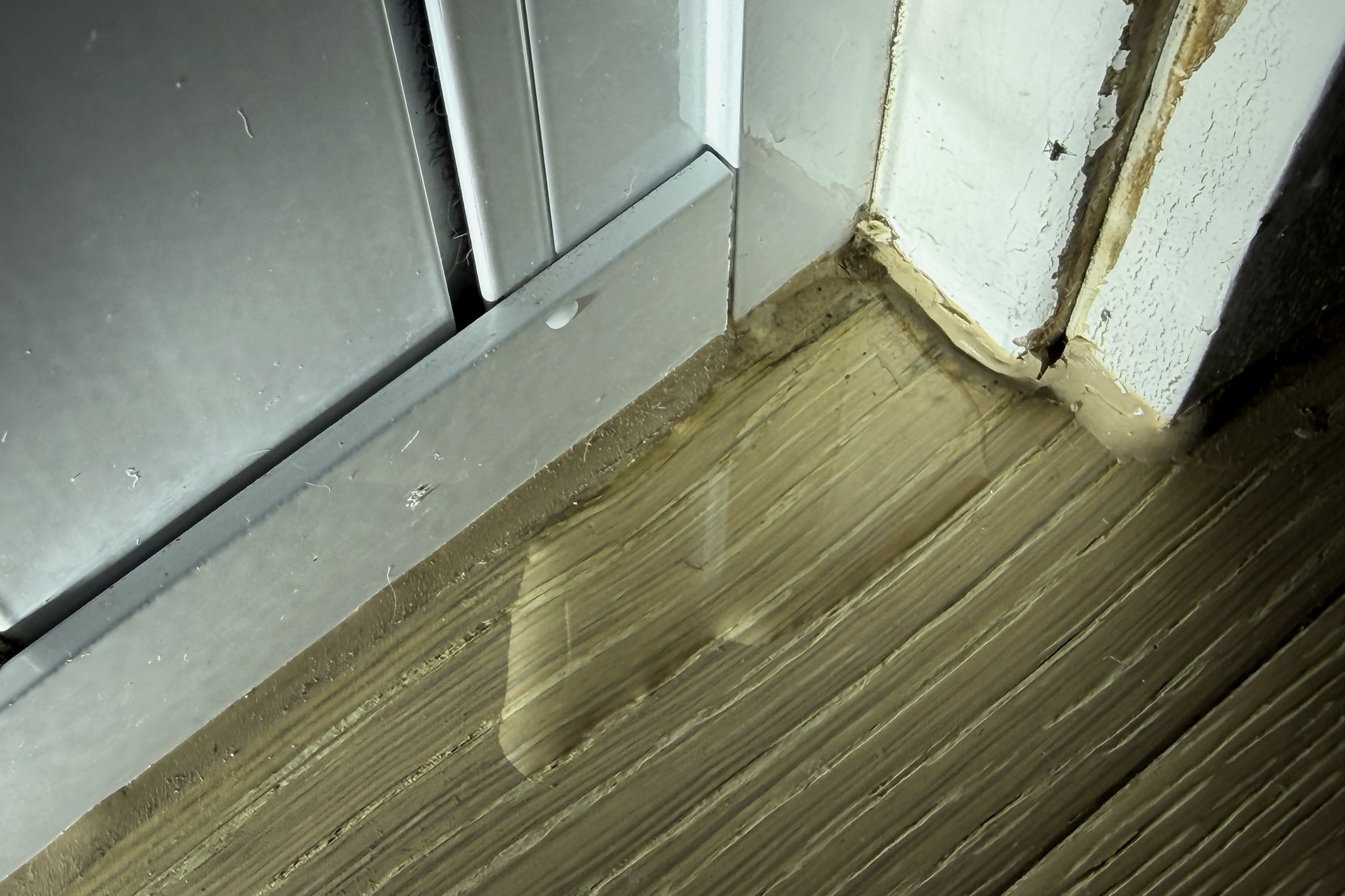
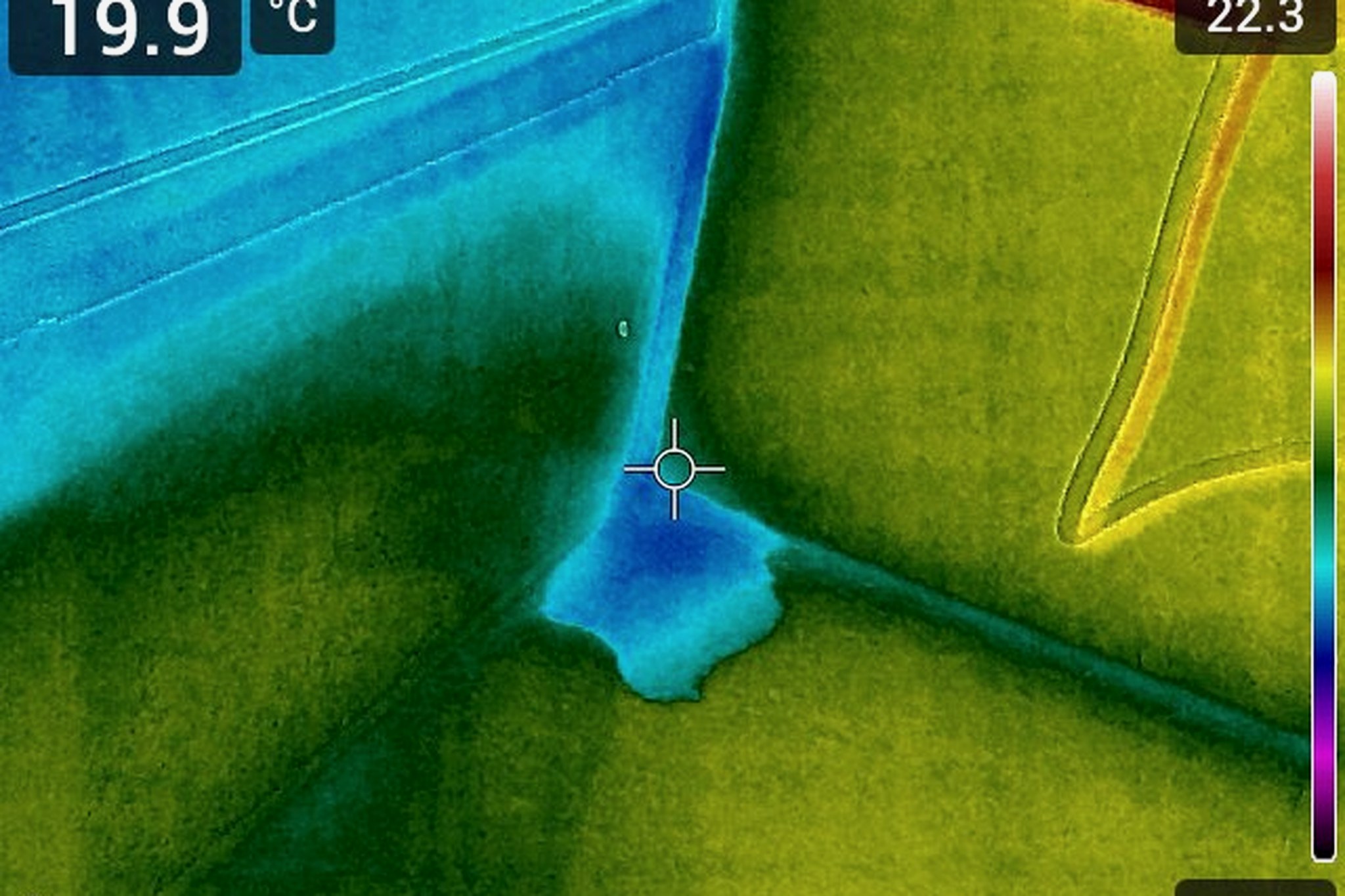
The reason waterproofing belongs in the longer window is that it rarely announces itself. Water moves behind linings and under floors for a long time before it appears somewhere a person can see it, which is precisely why a two year limit caught so many owners out.
It is also worth understanding what that fixes. In Victorian Building Authority v Fall-Armytage, decided by the Court of Appeal in March 2026, a purchaser lost a claim under the old scheme because his defects were non-structural and fell inside a two year clause. Under Home Warranty the category is defined in a regulation anyone can read, and waterproofing is expressly in the longer half.
We searched all 161 pages. There is no "six years", no "two years", and no definition of "major defect" anywhere in the Act itself. Section 137M says only that assistance is "subject to the prescribed terms of cover", and prescribed means set out in regulations.
That is ordinary legislative practice, not a scandal. It is worth knowing anyway, because regulations can be amended without a Bill. Regulation 8 has already been amended once.
07What triggers a claim
The Regulations list the events that open the door, and one of them is genuinely new.
That last one is the practical difference between insurance that waits for a company to collapse and insurance that responds when the work goes wrong.
08The notice of cover you are entitled to
The whole scheme is built around one piece of paper that most owners have never seen.
Your builder must pay the premium to the Authority before the earlier of ten business days after signing, or work starting. Section 137P is explicit that the builder pays it on behalf of the building owner. The Authority must then issue a notice of cover and, under section 137T, must give you a copy as soon as practicable.
Then comes the part that gives it teeth. Under the amended section 24A, a building permit cannot issue for work under an insurable domestic building contract unless a notice of cover has been issued. And under section 137U it is an offence to tell someone a notice of cover exists when it does not, carrying penalties of 500 penalty units for an individual and 2,500 for a company.
- Ask for your notice of cover, and keep it. You are entitled to a copy under the Act. If your builder cannot produce one, that is the question to ask before the next payment, not after.
- Check the builder's registration before you sign anything. Unregistered means uninsured, and uninsured means you carry the whole risk yourself.
- If your contract predates 1 July 2026, read your old policy. You are still under domestic building insurance, and a Court of Appeal decision this year has changed how its time limits are read.
An independent leak inspection finds waterproofing failures while they still sit inside the six year window, and an independent inspection for an insurance claim establishes what has actually been built. Insurance decides who pays when the work is wrong. You want both, and you want them in that order.
09Sources
- Building Legislation Amendment (Buyer Protections) Act 2025 (Vic), Act No. 17 of 2025, authorised version
- Building (Statutory Insurance Scheme) Regulations 2026 (Vic), S.R. No. 42/2026, authorised version, regulations 5 and 8
- Building and Plumbing Commission, "Better protections for homeowners start today"
- Building and Plumbing Commission, "Home Warranty insurance coming soon"
- Building and Plumbing Commission, "Domestic Building Insurance and Home Warranty"
- Building and Plumbing Commission, "What Home Warranty may cover" and "Home Warranty"
- Victorian Building Authority v Fall-Armytage [2026] VSCA 32
Our Blog
YOUR GO-TO RESOURCE HUB
Whether you’re on the hunt or have already settled in, we’ll arm you with the know-how and confidence to keep your home safe and compliant. With our guidance, you can make informed decisions and steer clear of common pitfalls.